Cultivator
Cultivator — price, specifications and top brands in India.
66 implements found
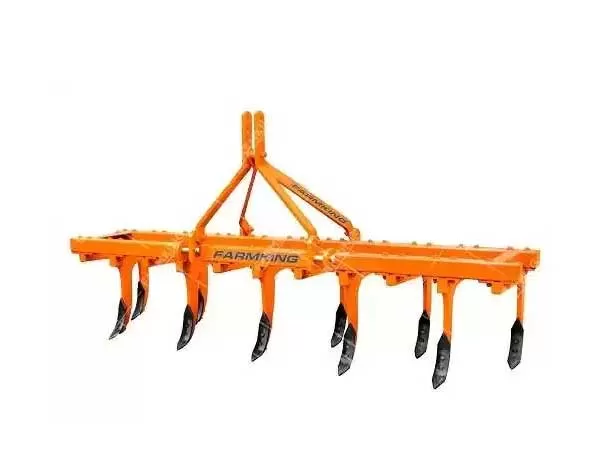
What a Cultivator does
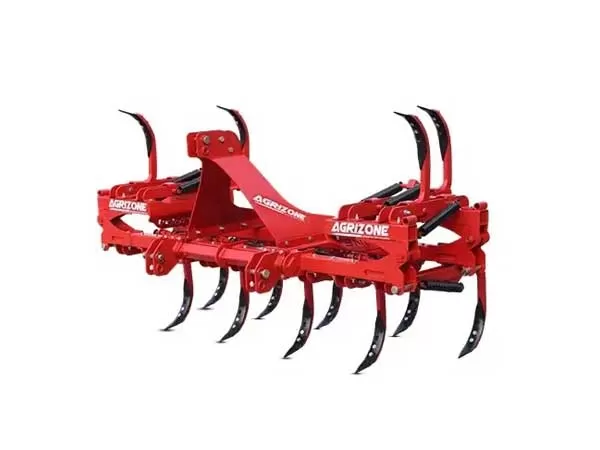
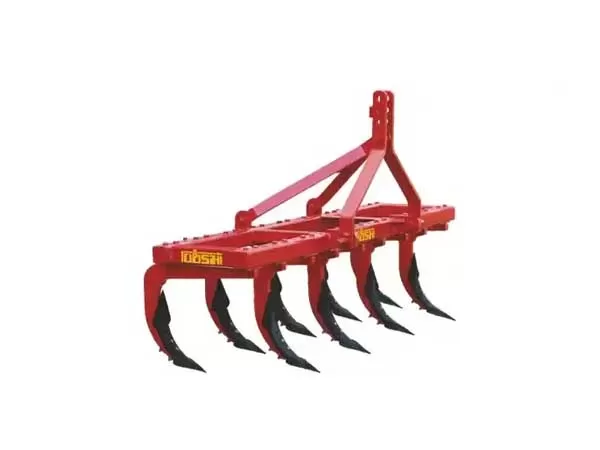
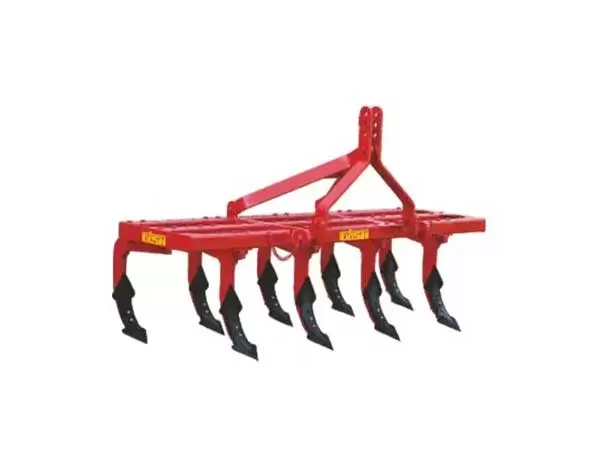
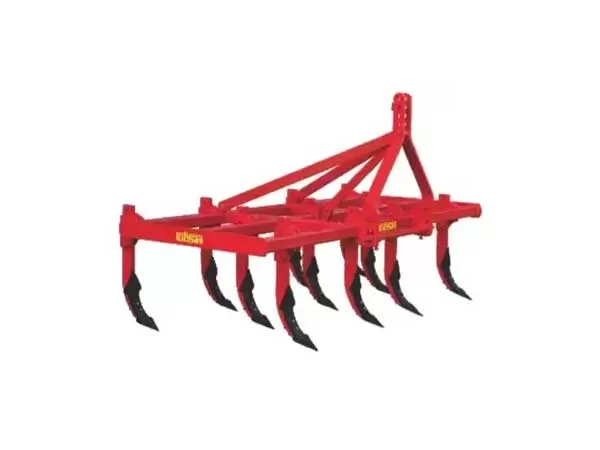
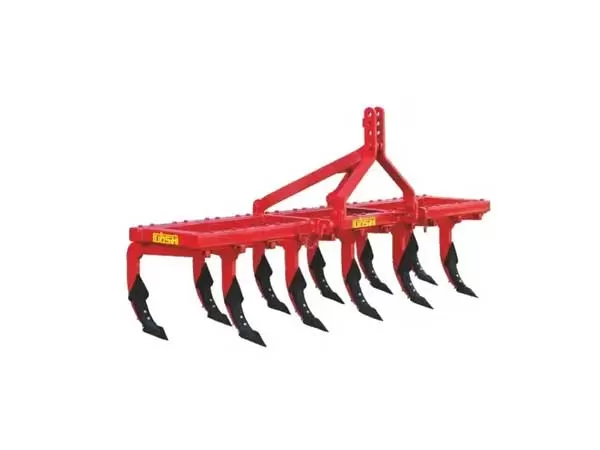
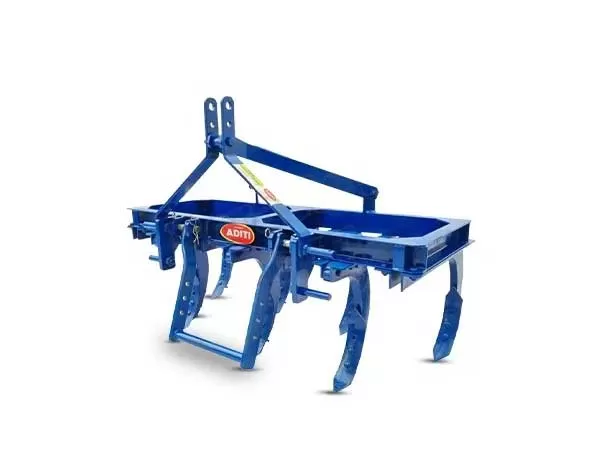
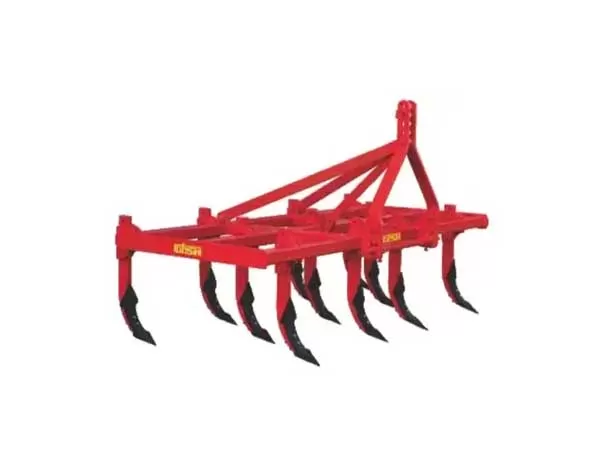
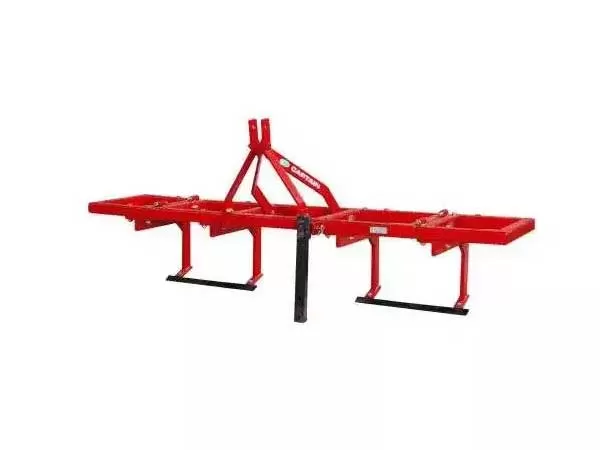
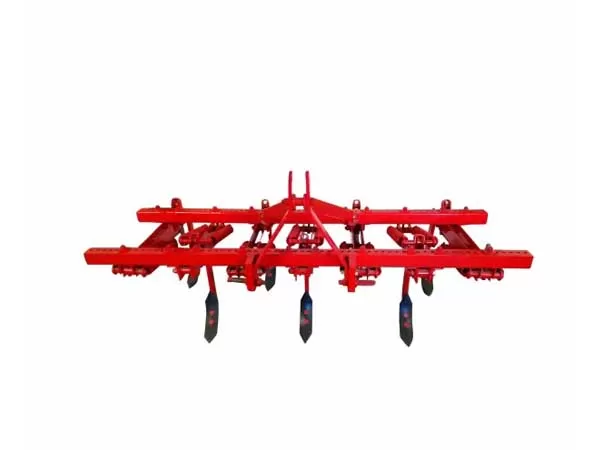
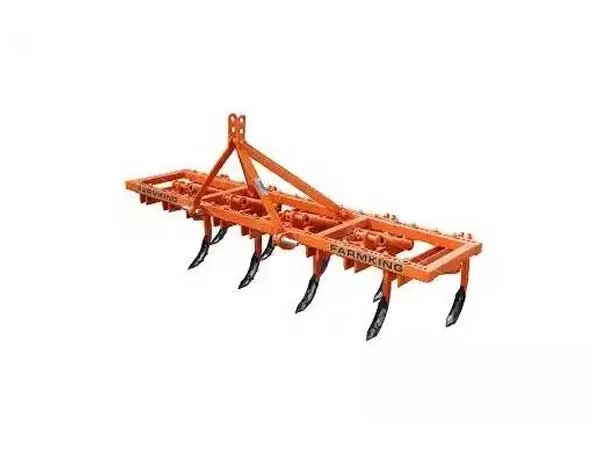
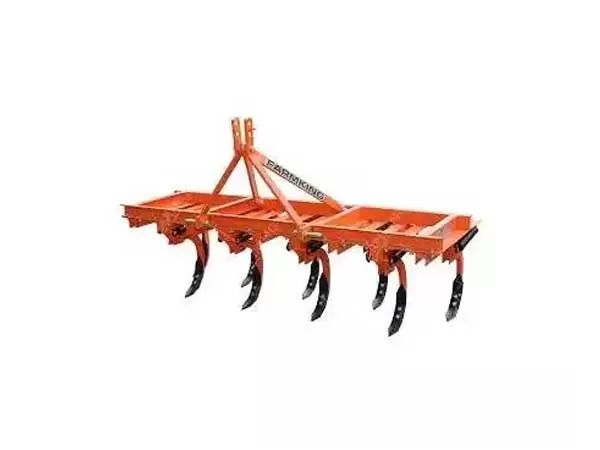
A cultivator loosens soil and uproots weeds between tillage passes. It is lighter work than ploughing and suits secondary tillage and seedbed preparation.
Matching it to your tractor
Cultivators are far less power-hungry than a rotavator. A 9-tyne cultivator runs comfortably behind 35–45 HP. The limiting factor is usually lifting capacity rather than engine power, particularly with spring-loaded tynes.
What wears out, and what to check when buying used
Tynes and shovels wear at the tip and are cheap to replace. On spring-tyne models, check that the springs still return properly — a collapsed spring drags rather than cuts.
Before you buy
- Confirm the PTO horsepower your tractor delivers — it is always lower than the engine rating, and it is the figure that matters.
- Check lifting capacity against the implement's working weight, not its dry weight.
- Ask about spare parts availability locally. A cheaper implement whose parts take a fortnight to arrive costs more in a season.
- Compare quotes from more than one dealer — implement pricing varies more between dealers than tractor pricing does.
Frequently asked questions
How much horsepower do I need for this implement?
It depends on working width and soil. As a rough guide, a rotavator needs 8–10 HP per foot of width, a disc harrow needs 10–12 HP per foot, and a two-bottom reversible plough needs around 45 HP in medium soil. Always check the PTO horsepower your tractor delivers, which is lower than its engine rating.
Mounted or trailed — which should I buy?
Mounted implements are easier to transport and turn, but load the tractor's hydraulics and rear axle. Trailed implements suit larger widths and heavier work. If your tractor's lifting capacity is marginal for a mounted version, buy the trailed one.
How often do wearing parts need replacing?
Rotavator blades typically last one to two seasons depending on soil abrasiveness; plough shares wear faster in stony ground. Budget for wearing parts as a running cost rather than treating them as a fault.