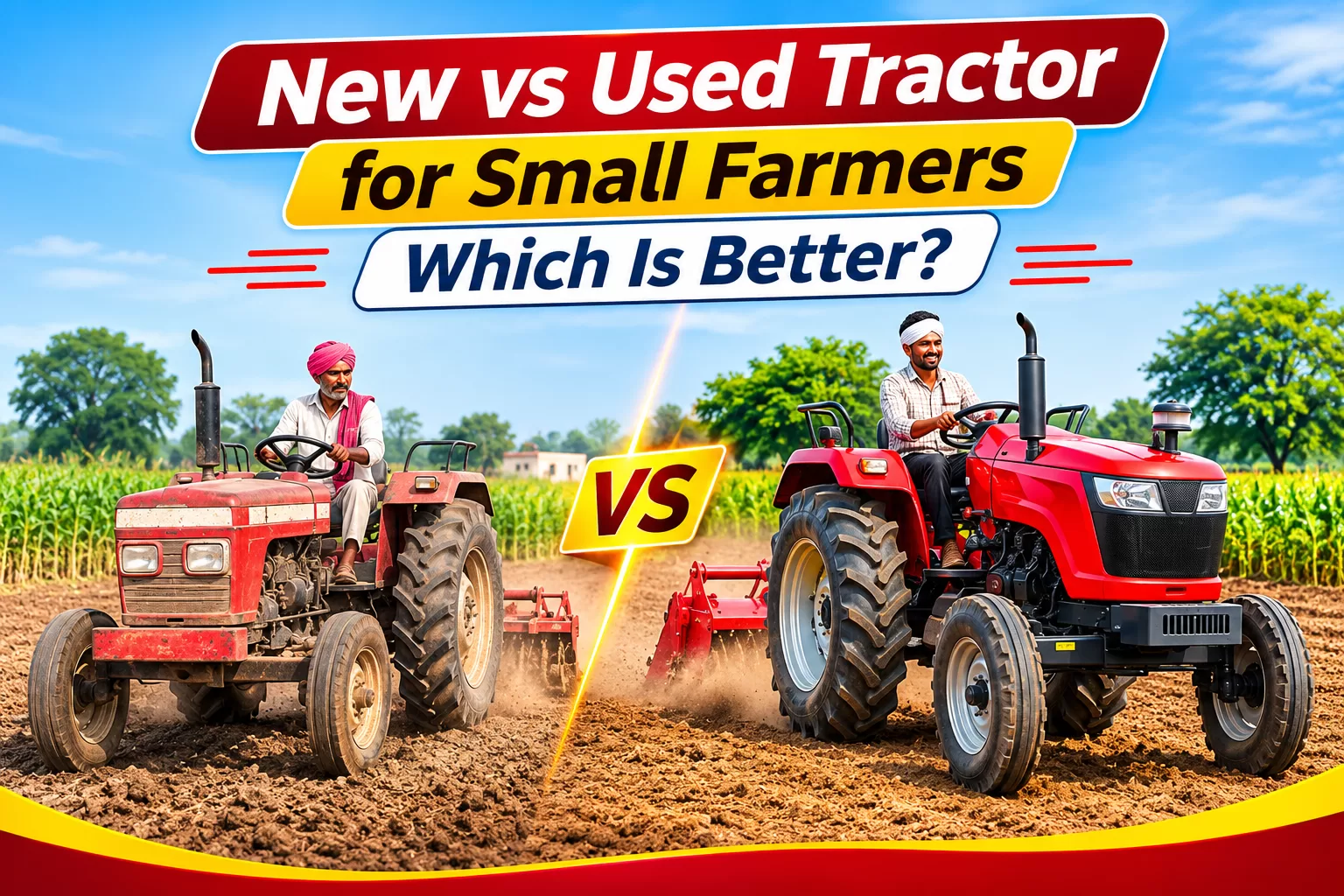
New vs Used Tractor: Best Choice for Small Farmers
A new tractor comes with a warranty, is in better shape, and is easier to buy. But a used tractor is much less expensive, and you can still buy tools, seed, and other things you need.
A small farmer should think about how much money they have, how many hours a year they plan to use the tractor, and whether it can be checked out properly before they buy. Cost, running costs, risk, and resale value are all looked at in this blog post. After that, you can pick which one to buy.
How much it costs to run and maintain new tractors vs. used ones
Buy a new tractor if you can afford it, plan to use it for a long time, and want warranty and dealer help from the start.
You can buy a used tractor or an approved tractor if you don't have a lot of money, your work is seasonal, and you can check it out well. Most of the time, a good used tractor that has been checked out is better than a new one that makes your EMI stretch.
Things a small farmer needs in a tractor
Small and medium-sized farms usually need agriculture tractors to do things like tilling, planting, spraying, and moving trolleys. Most of this work can be done by tractors with less than 40 HP, and a small tractor is good for orchards, vines, and rows that aren't very wide.
Before you compare the new and the old, make sure you have three things. First, you need to know how many horsepower you need, what tools you will use, and how many hours a year the tractor will be used. One that is too small won't be able to do its job, and one that is too big will waste money and gas.
Pros and Cons of the New Tractor
The pros
Warranty and condition that is known: A brand-new tractor has no hidden damage or history that is unknown. When you buy something, it's a good idea to read the promise first because most companies offer some kind of warranty.
The financing for tractors is usually easier than for other types of new machinery. Also, a lot of government programs that give money are tied to buying new things. Check to see what the rules are in your state.
Warranty and parts: When you buy a new tractor from a well-known brand, it comes with warranty and parts from the dealer network.
Newer design: Most newer models have better hydraulics, more comfort, and better gas mileage.
The Edges
Costs are higher: Companies list the prices of new tractors "ex-showroom." Since RTO fees, taxes, insurance, and dealer fees are added to the tractor on-road price, it may be higher.
Fast loss of value in the first few years: The new tractor loses its value the most in the first few years.
Big EMI: A big loan can be hard on a small farm, especially when crops don't do well.
"The Good and Bad Things About Buying a Used Tractor"
The pros
- New tractors of the same model are sometimes a lot more expensive than used ones of the same model. You might be able to buy a more powerful model or a better brand with the money you save.
- Slower loss of value: The first owner already took the biggest hit to the value.
- Less expensive insurance: The cost of tractor insurance is based on how much the tractor is worth, so an old tractor usually has a lower premium.
- Popular older tractor models have been owned by many people, have good reviews, and have a history of good service.
Risks
- Hidden wear: The engine, clutch, gearbox, and hydraulic systems may be worn down without being obvious at first glance.
- Problems with paperwork: Not having an RC, a loan that isn't paid back, or engine and chassis numbers that don't match up can cause problems down the road.
- Not much or any guarantee: If the tractor isn't certified or still under warranty, you have to pay for repairs after you buy it.
- Spare parts for older models: It may be harder to find spare parts for models that are no longer made.
Compare Prices
It's not just the price to buy. It costs more. Check out these items for both options:
Tractor mileage: Litres of diesel per hour, not kilometres per litre, are used to measure tractor miles. If the engine is old, it may use more diesel, so find out how much fuel is needed for a tough farm job.
When you buy new tractor tires, you spend a lot of money. You can get a better deal on a used tractor if its tires are almost worn out.
Battery for a tractor: A bad battery makes starting hard. It's not expensive to replace, but it can show how well the tractor was taken care of.
If you need tractor parts or service, choose a brand that has a dealer or service point close to your village or region. Most important is that the price difference is small.
Tractor insurance: Get quotes for the tractor you want to insure and make sure the coverage covers damage, theft, and accidents. If you buy a used tractor, make sure the insurance is renewed or changed to your name.
How to Check Out a Used Tractor Before You Buy It
Hour meter: Match the number of hours to how good the tractor is generally. A red flag is a tractor with few hours on it that is very worn out.
Start the engine when it's cold. Check the tailpipe for thick black, white or blue smoke and listen for knocking.
Clutch and gears: Check to see if it slips or grinds in each gear.
When using hydraulics, raise an object and make sure the lift stays solid—it shouldn't sink or leak.
Tires and brakes: Check the brakes, tread wear, and uneven wear.
Leaks: Look for oil leaks under the engine, in the gearbox, and in the back axle.
Get the RC, the bill, and the insurance. Make sure there are no loans out there and that the engine and chassis numbers match the RC.
Second thought: either bring a mechanic with you or buy an approved used tractor that has already been checked out.
Picking Out a Model and Brand
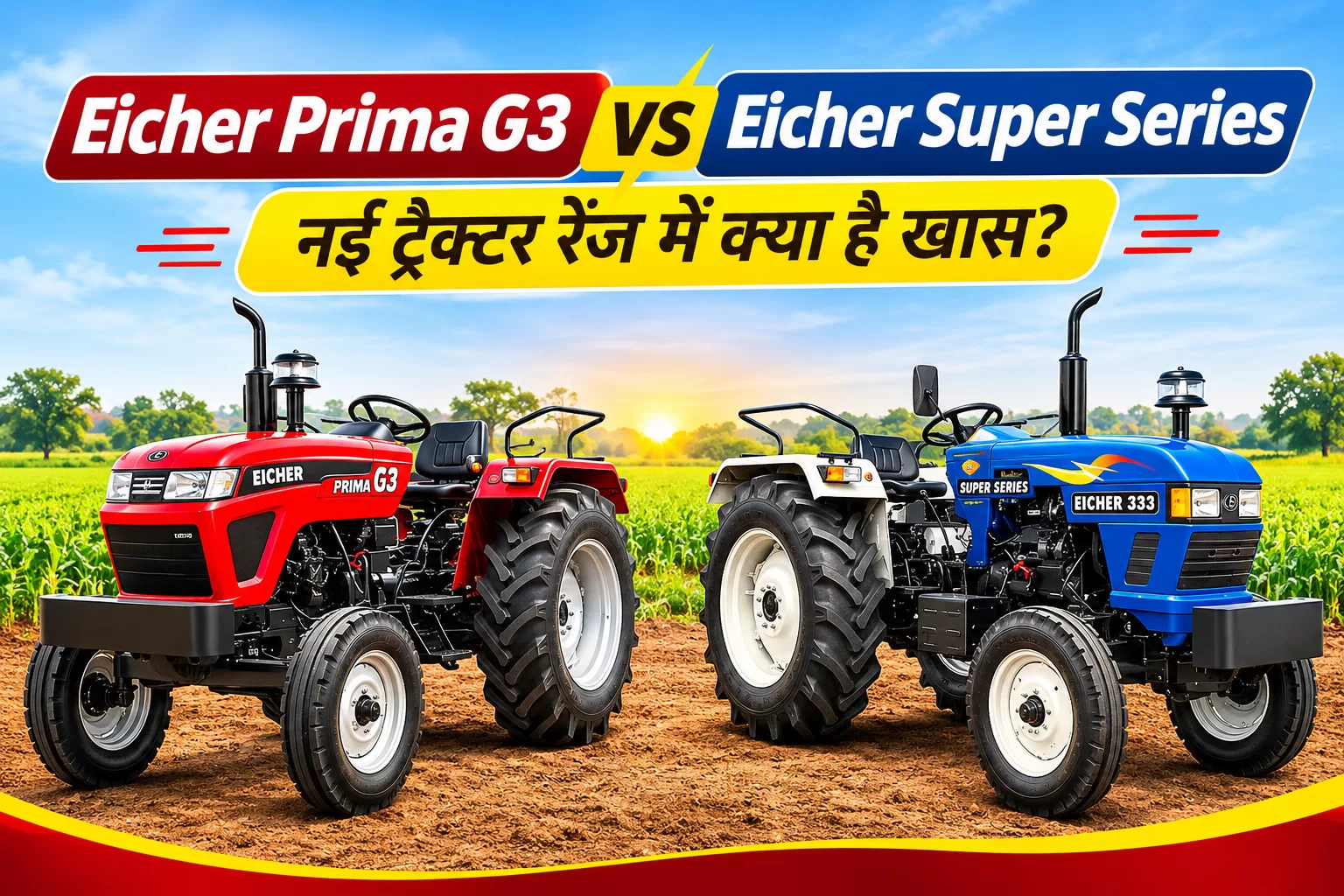
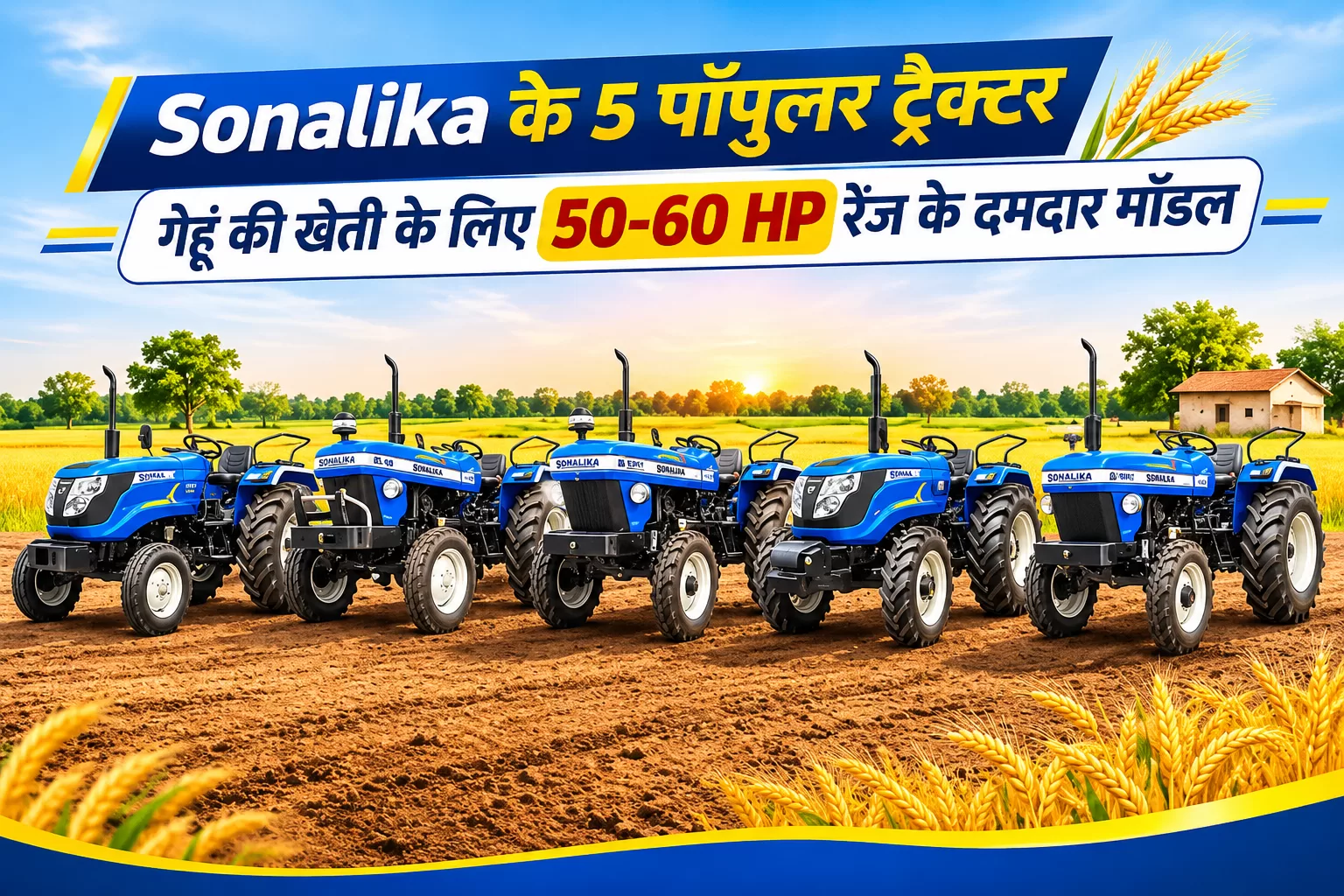
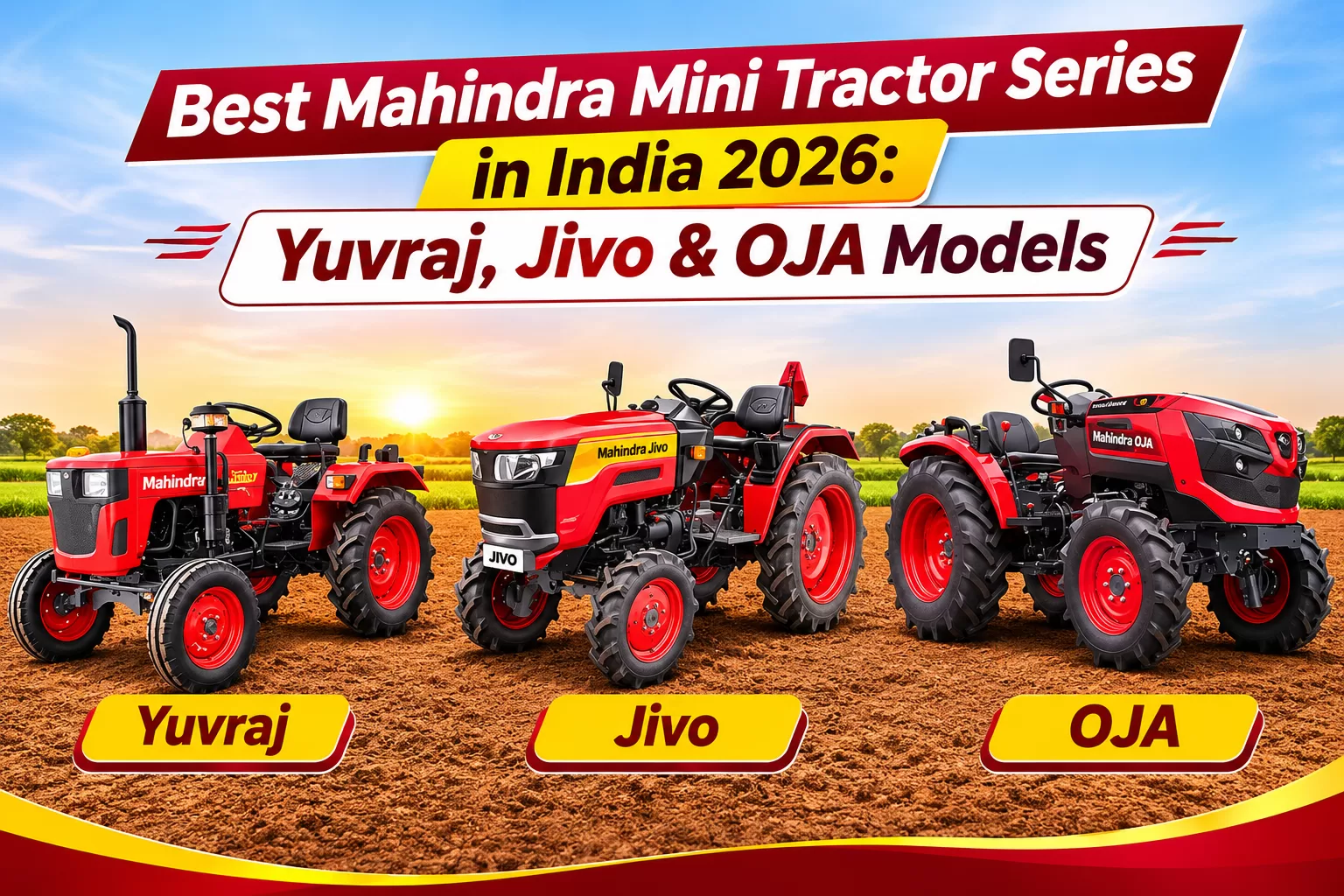
Most people in India look for the Mahindra tractor, the John Deere tractor, or the Swaraj tractor. Also, these companies usually have large networks of dealers and service centers. India also has a lot of other tractor companies, such as Sonalika, Massey Ferguson, Eicher, New Holland, and Farmtrac. Still, each has models in the small farm range. Before you choose, use a tractor compare tool to see how different they are in terms of price, features, HP, and how much they can lift.
The resale value of a tractor depends on both its name and its condition. In the long run, a well-known brand that has full service records tends to sell faster and for more money. Keep your invoices and service bills.
Which is better for you: new or used?
What to look for in a new tractor
It's easy for you to pay the down payment and the EMI.
You will use the tractor for job work or for many hours each year.
The warranty is something you want, and you can get a discount for it.
Take a look at a used tractor if.
You're tight on cash or your job changes with the seasons.
You can look at the tractor or buy one that has been approved.
You want more horsepower or a better brand than the price of a new tractor allows.
For orchard, a second used mini tractor can be a cheap option. Just make sure that parts and tools are easy to find for that model.
FAQs
Question 1. Is it possible for a small farmer to buy a used tractor?
Answer. Yes, as long as the tractor is properly checked out and all the papers is in order. You take on more risk when you buy a used mower than when you buy a new one, but it's cheaper and loses value less quickly.
Question 2: What age should the tractor I buy be?
Answer. Condition and hours worked are more important than age. A tractor with a service history is better to buy. Check the hour meter, engine and hydraulics.
Question 3: Can I borrow money to buy a used tractor?
Answer. There are lenders who will lend money for used tractors. The terms are not the same as loans for brand-new tractors. Talk to your lender about the terms, interest rate, and paperwork that needs to be filled out.
Question 4. What's the difference between the price of a new tractor and the price of a tractor that's already been used?
Answer. Yes. RTO fees, taxes, insurance, and dealer fees are not included in the "Ex-showroom Price." These costs are added to the "Tractor On Road Price."